7 Warning Signs Your Sunshine Coast Roof Needs Cleaning
The Sunshine Coast climate offers an enviable lifestyle, but the combination of intense subtropical sunshine, persistent humidity, and salty sea breezes creates challenging conditions for residential and commercial roofs. From Noosa down to Caloundra and across the Hinterland, roofs are constantly exposed to environmental elements that foster biological growth and surface degradation. Identifying the early warning signs that your roof requires professional attention can prevent structural damage, preserve your property's street appeal, and save thousands of dollars in premature restoration costs.
1. Dark Streaks and Black Algae Contamination
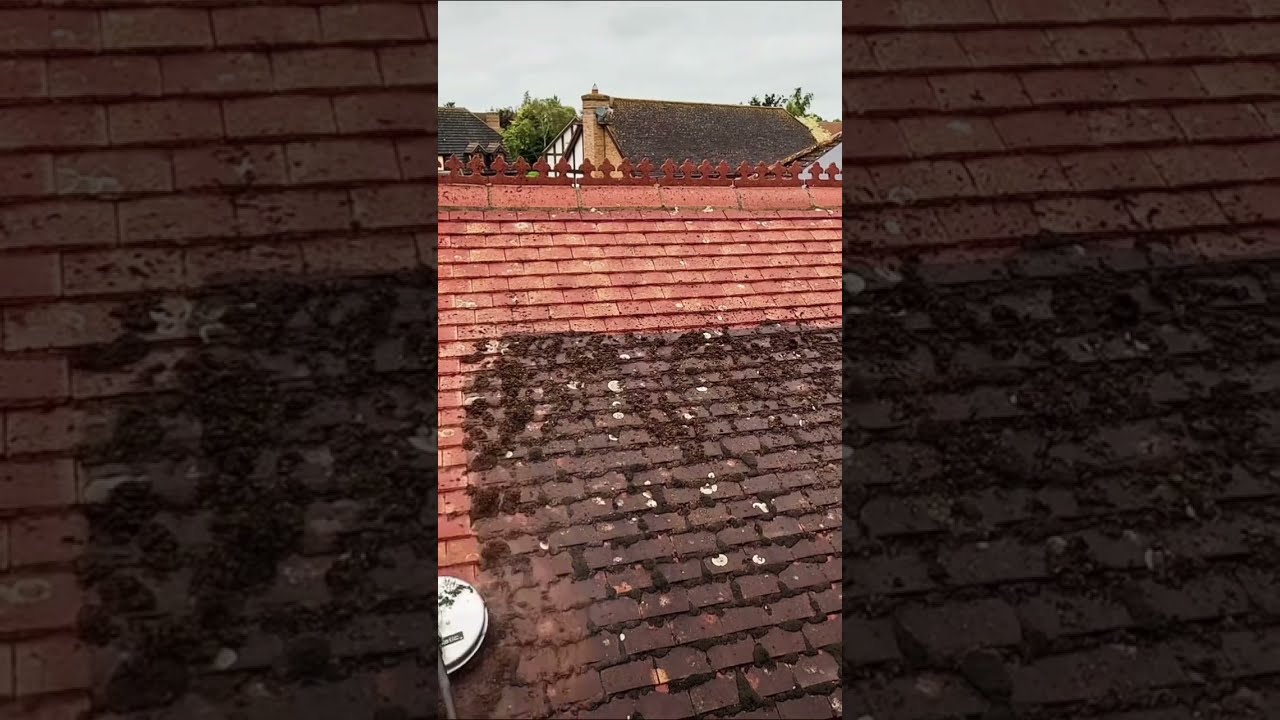
If your roof surface displays dark, vertical streaks, you are likely dealing with an infestation of Gloeocapsa magma, a resilient blue-green algae. This airborne bacterium thrives in the warm, humid climate of South East Queensland. While initially appearing as aesthetic discolouration, the algae feeds on the calcium carbonate in concrete roof tiles and degrades the protective finish on metal sheets. Left untreated, it reduces your roof's reflective properties, leading to higher indoor temperatures and increased cooling costs during sweltering coastal summers.

2. Clusters of Moss and Lichen
Lichen and moss growth are unmistakable indicators that your roof has accumulated significant moisture and organic matter. Lichen produces weak acids that etch into concrete tiles and Colorbond coatings, while moss acts like a sponge, holding water directly against roofing materials. In areas like Buderim or Montville, where dense canopy cover and higher rainfall are common, moss can push tiles apart, break the protective mortar bedding, and create entry points for water leaks during seasonal storms.
3. Coastal Salt Encrustation and Surface Grime
Living within a few kilometres of the coastline means airborne sea salt constantly settles on your roof. When combined with dust and vehicular emissions, this creates a crusty residue that accelerates oxidation. In 2026, roofing manufacturer warranties strictly specify maintenance routines that include regular salt wash-downs, particularly for homes in beachside suburbs like Coolum, Mooloolaba, and Kawana. Ignoring salt crusting promotes premature rusting on metal fasteners, valleys, and corrugated profiles.
4. Silt and Organic Sediment in Gutters
While clearing gutters is a standard chore, noticing a thick, sludge-like sediment rather than just freshly fallen leaves suggests an issue higher up. As biological matter on the roof dies and breaks down, rain washes the silt down into your gutter channels. This constant run-off of decomposed organic matter clogs downpipes, promotes rust inside the guttering system, and signals that the entire roof catchment area requires a comprehensive wash.
5. Discolouration Along Eaves and Fascia Boards
When roofs become coated in thick grime and mould, rainwater cannot flow cleanly into drainage channels. Instead, dirty water often wicks backward or overflows along eaves, soffits, and fascia boards. If you notice dark stains, mould blooms, or bubbling paint underneath the roofline, it is a clear warning that water runoff is carrying biological contamination off an uncleaned roof and into critical structural timber.
6. Spreading Mould on North- and East-Facing Pitches
While shaded roof pitches typically develop mould first, seeing mould and mildew establish itself on the sun-exposed north and east elevations indicates an advanced problem. When fungal colonies become dense enough to withstand direct Queensland ultraviolet radiation, basic rain showers will no longer naturally rinse the surface clean. At this stage, professional treatment is necessary to neutralise the fungal spores at their roots.
7. Loss of Thermal Efficiency and Faded Appearance
Modern roofing relies on high solar reflectance to keep living spaces cool. A heavy layer of grime, lichen, and road dust forms an insulating blanket that absorbs heat instead of reflecting it away. If your air conditioning system is working harder than usual to maintain comfortable temperatures, your roof may simply be too dirty to function efficiently. Cleaning the surface restores the reflective index of the material, enhancing energy efficiency throughout the year.
https://caidenxtib341.theburnward.com/step-by-step-guide-to-removing-stubborn-tree-sap-from-roofs
Benefits of Timely Roof Maintenance
Regular maintenance does far more than improve how your home looks from the street. Consistent roof care offers practical advantages:

- Prolongs Material Lifespan: Prevents premature pitting, corrosion, and tile cracking caused by organic acids.
- Protects Rainwater Systems: Keeps harvested tank water cleaner by eliminating decaying biomass from the collection area.
- Maintains Manufacturer Warranties: Satisfies mandatory upkeep guidelines for modern metal and coated tile roofs.
- Improves Storm Preparedness: Clears drainage pathways before the severe weather season arrives.
The Modern Standard: Low-Pressure Soft Washing
Current best practices for roof cleaning avoid aggressive, high-pressure blasting, which can strip away protective acrylic coatings, erode concrete tile surfaces, and force water beneath the flashing. Professional exterior cleaning now favours targeted soft washing. This method uses biodegradable cleaning solutions to eradicate spores and organic staining at low pressure, ensuring the structural integrity of your Sunshine Coast roof remains completely protected.
Sunshine Coast Roof Cleaning Pros
Unit 2/47 Enterprise St, Kunda Park QLD 4556, Australia
(07) 4158 6008